Author: Ekhosoft

Top Three Takeaways from PACK EXPO 2023

A few weeks ago, the manufacturing industry gathered in vibrant Las Vegas, Nevada for PACK EXPO 2023, the largest packaging and processing show in North America. This event brought together industry leaders, innovators, and experts to showcase the latest advancements in packaging and processing. 

As the show wrapped up, three key takeaways emerged, providing insights into current industry trends and strategies to maintain a competitive edge in this dynamic market. 

Takeaway 1: Embracing Expertise Over In-House Solutions 

The first takeaway from PACK EXPO 2023 was the growing number of industry players discussing the pros and cons of developing their own software solutions rather than purchasing a solution from a vendor. While this DIY approach may seem appealing, it presents distinct challenges. Many of our customers know this from experience!

The manufacturing industry is rapidly evolving, with hardware, software, and processes in constant flux. Adapting to these shifts can be demanding, even for experienced in-house software teams. It’s not uncommon for organizations to be forced to abandon their software projects due to complexity and scale despite having capable in-house developers. 

In an industry where efficiency is paramount, it’s worth reconsidering whether building your own solution in-house is the best allocation of resources. Dedicated operational performance management (OPM) software vendors offer expertise tailored over years and across customers to meet manufacturing’s unique demands. By relying on these plug-and-play solutions, manufacturers can optimize their operations and focus on their core mission: delivering quality products to their customers.  

Takeaway 2: A User-Friendly Solution for All Stakeholders 

PACK EXPO 2023 also highlighted the need for solutions that are user-friendly for all stakeholders. Without industry-specific expertise, a software solution attempting to streamline manufacturing operations might inadvertently create bottlenecks in workflows, leading to frustration and wasted time.

A prime example of this is a solution with complex or cumbersome approval workflows that require extensive manual interventions to correct, resulting in delays and miscommunication among users. Simplifying approval workflows saves time and reduces the risk of errors during manual processes. By eliminating bottlenecks and automating tasks where possible, a user-friendly OPM solution contributes to cost savings and improved operations. 

Takeaway 3: Green Packaging and Cost-Efficiency 

The third takeaway focuses on the rise of green packaging in the industrial sector. As consumers increasingly demand environmentally friendly packaging alternatives, manufacturers need strategies to mitigate the increased costs associated with these sustainable materials. 

In this context, increased quality and reduced rejects become crucial. A specialized solution plays a pivotal role in achieving this. Quality is a key element of Overall Equipment Effectiveness (OEE) and significantly contributes to cost savings. By minimizing rejects, manufacturers can offset the higher costs associated with green packaging materials and appeal to eco-conscious consumers.  

Summary

This year’s PACK EXPO provided valuable insights into the ongoing advancements in the manufacturing industry. 

Key takeaways include the challenges of building your own in-house software solutions, the importance of user-friendly systems designed for all stakeholders, and the focus on enhancing quality to mitigate the cost increases resulting from adopting eco-friendly packaging.  

By embracing user-friendly OPM solutions, such as Ekho OPM, manufacturers can effectively pursue enhanced efficiency, streamline workflows, and meet the growing demands of environmentally conscious consumers. 

Want to learn more about how Ekho OPM helps you keep costs down and respond quickly to ever-changing customer needs? Get a demo. 

The Evolution of Maintenance: Part 2 – Leveraging Condition-Based Maintenance with OPM Software

In part one of this series on the evolution of maintenance, we explored the many ways the Ekho software for operational performance management (OPM) can enhance your preventive maintenance strategy and allow for more informed decision-making through streamlined data collection and automatic tracking of reliability KPIs 

We also discussed how traditional reactive and preventive maintenance methods — although seemingly outdated — are still acceptable to use if the priority and cost of the assets are relatively low or when more advanced technologies are simply not available.  

In part two of this series, we will discuss how a preventive maintenance program can be extended to incorporate condition-based maintenance (CBM) and how the right OPM software can support this approach. 

Condition-Based Maintenance:

CBM is a proactive approach that monitors equipment condition and spots upcoming failures, so maintenance can be scheduled when needed (and not before), reducing unnecessary maintenance and associated costs.

For example, as equipment ages, rotating machinery can develop greater vibration, affecting performance, durability, and safety. Vibration may worsen before a breakdown or hazardous situation emerges. Analyzing vibration can detect problems early, preventing additional issues or harm.  

CBM also uses visual checks, spot readings, and automated tests with sensors or specialized tools to detect an issue or a decline in performance — indicated by things like wear, usage, and number of incidents. This information helps maintenance teams plan the best time to perform maintenance — ideally well before a failure occurs or performance takes a hit. And since CBM is non-invasive, measurements can be taken without shutting down the machine or altering the way it operates.  

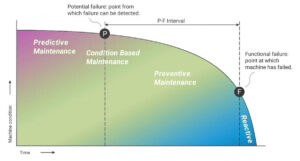
Another advantage of CBM is its extended P-F (Potential Failure) interval when compared to traditional preventive maintenance, as shown in the diagram below. This interval marks the time between the point where a potential failure is detectable (P) and the moment when that failure would likely occur (F).

This means more time to get the right parts for maintenance, reducing the Mean Time To Repair (MTTR). The result? Downtime is minimized, and operations can resume.  

Benefits of CBM: 

  1. Maintenance is performed only when needed 
  2. Extended P-F (Potential Failure) interval, reducing MTTR 
  3. Less expensive and less time-consuming than preventive maintenance 
  4. Suitable for assets that need to run continuously — even during maintenance 
  5. The use of sensors and other condition-monitoring tools reduces the labor required for inspection and monitoring 

How Does Ekho OPM Software Optimize CBM?

Ekho OPM helps teams leverage CBM, taking performance and availability information and seamlessly integrating these metrics with data on the condition and health of the assets.

Here’s how Ekho OPM software contributes to an effective CBM approach: 

Real-Time Monitoring and Alerts: Ekho OPM software continuously monitors equipment and machinery in real-time, collecting data from sensors and other data sources. It then automatically generates alerts and notifications when certain thresholds or conditions are met, enabling maintenance teams to respond faster to potential issues.

Optimized Work Orders: Ekho OPM generates work orders based on real-time conditions, helping ensure that maintenance occurs only when an asset needs it. This reduces unnecessary maintenance tasks and streamlines the overall maintenance process. 

Downtime Reduction: By detecting potential issues early and empowering teams with the information they need to approach maintenance more proactively, Ekho OPM helps reduce unplanned downtime. This leads to increased equipment availability and improved Overall Equipment Effectiveness (OEE). 

Performance Benchmarking: Ekho OPM provides benchmarking capabilities, allowing manufacturers to compare the performance of different assets or production lines. This helps identify underperforming areas requiring attention — and highlights things that are working well. 

Continuous Improvement: Ekho OPM facilitates continuous improvement by collecting data on maintenance activities and their outcomes. This data can be analyzed to refine and enhance the CBM strategy over time, leading to more efficient maintenance practices. 

Data Integration and Analytics: Ekho OPM integrates data from various sources, such as sensors, historical maintenance records, and process data. By analyzing this integrated data, the software can identify patterns, trends, and anomalies that might indicate impending equipment degradation or failures. From here, teams can move from a condition-based maintenance strategy toward a predictive maintenance strategy – the subject of our next article in this series. 

Summary: 

An ongoing journey toward improved maintenance strategies in industrial manufacturing is vital for sustained success in the marketplace. And finding the right OPM software that allows for customized and continued advancement of these strategies is key. By leveraging the capabilities of Ekho OPM software, a CBM program can effectively reduce unnecessary maintenance and labor, as well as associated costs. As manufacturing processes advance, embracing these innovative tools becomes crucial for ensuring equipment availability, operational efficiency, and a future of sustained success.

Stay tuned for part three of our Evolution of Maintenance series where we delve into Predictive Maintenance and describe how you can establish a basic predictive approach by using CBM data and trending, and how you can move to a more advanced strategy leveraging cloud technologies, machine learning, and predictive analytics to further enhance your maintenance strategy.  

For more information about how Ekho OPM can support you on your maintenance journey get the product sheet or book a demo.

The Evolution of Maintenance: Part 1 – Embracing Preventive Strategies with OPM Software

Achieving daily production goals can be challenging when machinery malfunctions cause unplanned downtime, missed deadlines, and increased repair costs. With aging equipment as the leading cause of unplanned downtime1 some failures are inevitable. But choosing the right maintenance strategy can significantly reduce their impact and frequency and prolong the life of critical assets.  

This is the first in a series of articles examining the relationship between the drivers for increased operational efficiency and more effective plant maintenance. In this first article, we set the stage by exploring two fundamental maintenance strategies – reactive maintenance and traditional preventive maintenance, and how operational performance management (OPM) software continues to be a key player even in these basic maintenance approaches.

In subsequent articles, we will look at newer preventive approaches such as condition-based maintenance and predictive maintenance, and then we will examine how cloud technologies for Machine Learning and Predictive Analytics can be used to further enhance maintenance strategies. We will also look at the costs and benefits of the various strategies and how Ekho OPM can support your operations regardless of where you are on the path to optimization. 

The framework we will be using for these articles is presented below: 
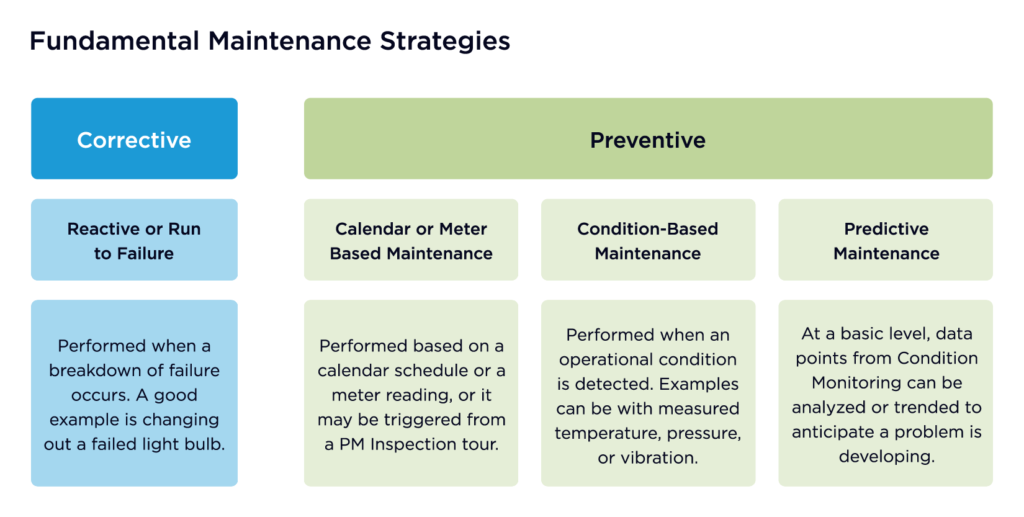
Traditionally, corrective or reactive maintenance has been the norm, where repairs are carried out after equipment failure occurs. However, thanks to technological advancements, more advanced strategies are gaining momentum. Those who invest in the technology that facilitates a more proactive approach see longer durations of equipment availability without malfunction, which sets the stage for better performance and higher quality; the three factors used to calculate Overall Equipment Effectiveness (OEE). OEE is a window into efficiency and therefore, should be considered when aiming to improve your operations.   

In this initial blog post, we will explore the benefits of basic preventive maintenance over reactive maintenance and how adopting OPM software, such as Ekho OPM, can empower your team to take proactive measures to increase OEE.

Reactive Maintenance:
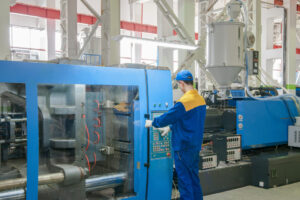
Reactive maintenance, also known as “breakdown maintenance,” addresses equipment failures after they occur. While this approach can be effective with low-priority equipment with a low cost to replace, if used for critical assets it can disrupt production schedules, lead to higher repair costs, and pose safety risks for workers. Surprisingly, in 2022, more than 92% of manufacturing companies worldwide still employed reactive maintenance on 35% of their assets2.

The good news is that shifting to a preventive maintenance strategy can help mitigate these challenges and boost productivity, improve safety, and keep costs down. 

Preventive Maintenance: 

Preventive maintenance is a proactive approach that works to prevent potential failures, with the goal of minimizing unplanned downtime and extending equipment lifespan. Regular inspections and planned maintenance practices, like Clean, Inspect & Lubricate (CIL), Time-Based Maintenance (TBM), or Meter-based maintenance (MBM) play a crucial role in this strategy. For example, one common preventive maintenance practice is lubricating certain components every 14 days to reduce wear and improve reliability. These maintenance services are carried out on a pre-determined schedule as part of the maintenance strategy.  

Comparison and Contrast:

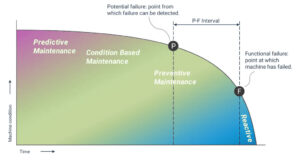
An important contrast between these two strategies lies in how preventive maintenance helps pinpoint defects and identify the cause of potential failures ahead of reactive maintenance, as shown in the P-F Curve diagram below. The P-F curve charts how a machine’s condition declines as time goes on and demonstrates how different maintenance strategies can spot potential failure (P) before actual failure (F). The time between these two points is simply called the P-F interval. The P-F interval allows maintenance teams to better predict when a failure might occur based on the early detection indicators, enabling them to determine the best possible maintenance schedule for that specific asset.
Apart from minimized downtime and increased OEE, preventive maintenance brings several other advantages, such as more reliable equipment, cost savings, improved product quality, regulatory compliance, energy efficiency, and a safer working environment. It also boosts employee morale, showing your employees that you care about their safety and job stability.  

The Role of OPM Software in Preventive Maintenance:

The right OPM software is key to a successful basic preventive maintenance strategy. Advanced OPM software solutions like Ekho OPM gather real-time data from various sources in your manufacturing environment, including sensors, machine interfaces, and HMI/SCADA systems. They also automatically track critical reliability KPIs, like Mean Time Between Failure (MTBF) and Mean Time to Repair (MTTR), eliminating manual data entry and streamlining data collection and reporting processes.

This streamlined data overview and automatic KPI tracking enables preventive maintenance planning through:  

  1. Downtime Analysis: Identifying critical downtime events affecting equipment reliability, allowing the maintenance team to prioritize tasks based on significance. 
  2. Trend Analysis: Tracking and analyzing reliability KPIs over extended periods to identify patterns and recurring issues for more informed preventive maintenance planning. 
  3. Spare Parts Optimization: Continuously monitoring and analyzing downtime data to optimize spare parts inventory management and prevent major breakdowns. 
  4. Maintenance Scheduling: Analyzing longer-term data trends to schedule preventive maintenance during periods of lower production demand or equipment idleness. 
  5. Enhancing Preventive Inspection: Evaluating the effectiveness of preventive maintenance procedures by assessing reliability KPIs and adjusting maintenance checklists accordingly. 

Summary: 

By embracing preventive maintenance, industrial manufacturing companies can reduce unplanned downtime, minimize repair costs, enhance operational efficiency, and improve OEE. And leveraging the power of OPM software like Ekho OPM enables more proactive and data-driven preventive maintenance strategies, resulting in improved equipment reliability, minimized downtime, and optimized production efficiency. With the right maintenance approach and OPM software, your team can achieve higher levels of productivity and success in the manufacturing industry. 

Where Are You on Your Journey? 

The choice of a maintenance strategy ultimately depends on the availability of technology to support the program. If there are no online sensors, and no plant floor systems to collect real-time data feeds, then a preventive maintenance program in conjunction with a reactive component is a perfectly acceptable approach, and Ekho OPM software can support that combination. With the availability of low-cost sensors and handheld monitors and the increased availability of OT networks in today’s facilities, opportunities are available to move into more advanced maintenance strategies as we will discuss in the next article in this series. 

For more information get the product sheet or book a demo.

  1. Plant Engineering, 2022 Maintenance Study 

  2. Plant Engineering, 2022 Maintenance Study 

Ekhosoft gives top food & beverage producer the freedom to focus on freshness

As one of North America’s leading food and beverage producers, quality and freshness are of the utmost importance. Founded over 75 years ago, this top 20 global producer has the formula for some of the world’s best food and beverage products down to a fine art. However, using the best ingredients is not enough. Operational performance is always under review, and optimization and efficiency are constantly being pursued 

The company turned to Ekhosoft for a digital solution that could assist with:

• Automating time-consuming data collection and analysis.

• Monitoring line performance in real-time to increase efficiency.

• Addressing unplanned downtime promptly.

• Supporting troubleshooting to improve equipment availability.

• Improving running rates per product to optimize production throughput and cost.

• Leveraging analytics reporting to identify and eliminate top losses efficiently.

• Reducing major losses and equipment breakdowns through detailed evaluation. 

The Need: 

Fast response times, enhanced visibility into line performance, and rapid allocation of resources to critical areas are essential when youre dealing with high-volume production and increasing product variety. The company was using another OPM software provider but still faced challenges with monitoring the production line in real-time, identifying and addressing unplanned downtime quickly, and optimizing production throughput and cost.

Additionally, data collection and analysis remained time-consuming and couldn’t provide the customization they needed. The company also struggled to get detailed insights into losses, equipment breakdowns, and specific product performance.  

This lack of visibility made it difficult for their planning and logistics departments to make informed decisions quickly, which led to more delays and inefficiencies. Furthermore, they experienced slow communication and problem resolution with the previous software provider. 

Because of these issues, this top 20 food and beverage producer was looking for a different software vendor who could provide the trusted real-time insights, customization, and long-term support they needed. 

The Solution: 

After assessing several other OPM vendors, the company chose to implement Ekhosoft’s Ekho OPM software to help them address the challenges they were facing 

They found that Ekho OPM provided them with the fast data collection and customizable calculation processes they were looking for. Through the Production module, they were able to monitor each production line’s performance in realtime, enabling them to quickly address issues and increase equipment availability, allowing for increased production volume to ensure orders are fulfilled.

The Analytics module allowed them to generate reports that highlighted top losses, facilitating effective resource allocation. And the detailed loss tree evaluation helped reduce major losses and equipment breakdowns.  

Furthermore, Ekhosoft’s customer support team proactively communicated about updates and was able to quickly respond to evolving needs by implementing improvements and new features rapidly.  

The Outcome: 

By implementing Ekho OPM software, this top North American food and beverage company experienced a boost in efficiency and performance 

• Real-time monitoring significantly enhanced production line performance, resulting in increased production volume.  

• Detailed analysis of key performance indicators (KPIs) and performance results enabled targeted improvements and better resource allocation.

• The Plant View feature improved planning and logistics operations, enabling timely reactions and efficient material reallocation.  

• The quick response times and effective communication from Ekhosoft’s support team further contributed to the company’s operational excellence.  

Now, with Ekho OPM, the company looks forward to continued growth and success as they deliver on the exceptional freshness and quality they’re known for.

Want to learn more about how Ekho OPM helps you enhance production line performance and keep costs down? Get a demo. 

Top Three Takeaways from the Sweets & Snacks Expo 2023

A few weeks ago, the food and beverage industry gathered in Chicago, Illinois, at the highly anticipated Sweets & Snacks Expo 2023 to showcase the latest products and discuss emerging trends.

As the event concluded, three key takeaways emerged, providing valuable insights into the industry’s current landscape and its future direction.

In this blog post, we will delve into these takeaways and explore their significance for manufacturers, consumers, and the overall market.

Takeaway 1: Efficiency and Automation are Key in Challenging Economic Times 

The first takeaway from the Sweets & Snacks Expo highlights the economic contraction in the food and beverage sector over the last seven months.

To thrive in these challenging times, manufacturers must focus on improving efficiency and maximizing uptime with existing equipment.

This underscores the importance of things like digitalization and workflow automation, which can streamline operations, reduce costs, and increase productivity. By harnessing innovative technologies, food and beverage manufacturers can navigate economic fluctuations while maintaining efficiency and keeping costs low.

As part of the digital transformation, manufacturers are introducing solutions for operational performance management (OPM) — systems that capture key, real-time data measures from the plant floor, analyze the data, and provide actionable intelligence in the form of dashboards and key performance indicators (KPIs) for performance improvement. 

Takeaway 2: The Demand for Higher-Quality Ingredients 

Another noteworthy trend observed at the Expo was the growing demand for higher-quality ingredients. Today’s consumers continue to prioritize healthier and more sustainable options, such as low-sugar, high-protein, and responsibly sourced ingredients.

However, there is a limit to how much more consumers are willing to pay for these upgraded ingredients. This presents a delicate balancing act for manufacturers, who must incorporate higher-cost components into their products without significantly increasing prices for their customers. 

To counteract the increase in materials costs, companies can reduce their overall manufacturing costs by focusing on operational efficiency and performance management. To help them tackle these tighter margins, food and beverage manufacturers are embracing digital tools designed to help them track KPIs in manufacturing and utilize key metrics like overall equipment effectiveness (OEE) to monitor and improve performance.  

OEE as a KPI provides a critical measure of a plant’s effectiveness by consolidating information on availability, performance, and quality into a single indicator. With OEE, manufacturers get real-time visibility into production line performance, helping them drive continuous improvement, achieve efficiency gains, and lower operating costs. 

Takeaway 3: How an OPM Solution Complements a Just-in-Time Manufacturing Strategy 

The third takeaway highlights the critical role of Just-in-Time (JIT) manufacturing in lean operations, cost reduction, and maintaining a competitive edge. JIT enables manufacturers to pay increased attention to scheduling, minimizing downtime during product line switches, allowing for increased efficiency and responsiveness.

Here again, a digital OPM solution that provides key metrics like OEE can significantly help improve plant performance by highlighting problem areas and identifying opportunities for improvement.

By avoiding excess inventory and unnecessary warehousing expenses, companies can keep costs down and respond quickly when it comes to bringing new flavors and products to market. This strategic approach not only optimizes operations but also enhances the manufacturer’s ability to cater to evolving consumer preferences. 

Summary

This year’s Sweets & Snacks Expo provided a comprehensive overview of challenges facing the food and beverage industry, highlighting important takeaways for industry professionals and consumers alike. 

In a contracting economy, manufacturers must prioritize efficiency and automation to remain competitive. Furthermore, the demand for more expensive ingredients presents both challenges and opportunities, with OPM solutions like Ekho OPM playing a crucial role in balancing performance and cost. Finally, embracing Just-in-Time manufacturing offers a significant competitive advantage by reducing costs and enabling swift product innovation. 

By understanding and implementing these takeaways, manufacturers can position themselves for success in an ever-evolving market, while delivering the quality and variety that consumers crave. 

Want to learn more about how Ekho OPM helps you keep costs down and respond quickly to ever-changing customer needs? Get a demo. 

Leveraging an Operational Performance Management System to Increase OEE

How Ekho Operational Performance Management (OPM) Helps You Drive and Measure Improvement Initiatives

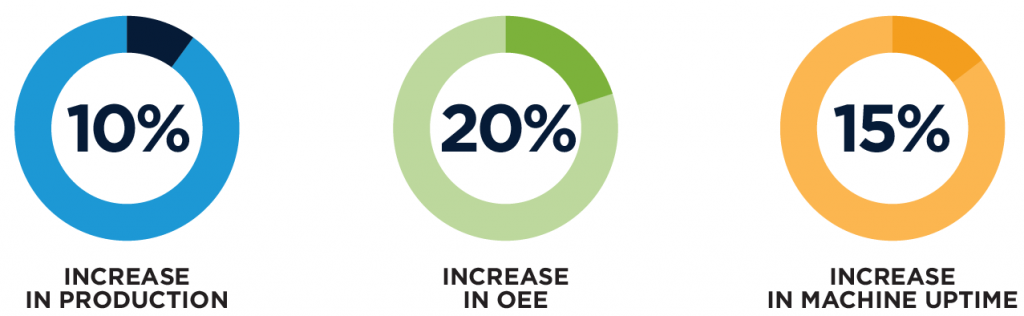
Ekho OPM empowers manufactures to:

  • Increase production
  • Increase overall equipment effectiveness (OEE)
  • Increase machine uptime

Within just 30 days of implementing Ekho OPM, the manufacturing can see up to 1% improvement in OEE (overall equipment effectiveness) — an improvement that increases their gross margin by 0.5%. And, with continued use of Ekho OPM, our customers can see up to 20% increase in OEE.

Want to see how much Ekho OPM could add to your bottom line? Set up a meeting with to see how Ekho’s real-time performance insights and user-friendly visualizations empower teams to work together to drive improved operational performance.


Still Using Paper on the Plant Floor? Five Reasons to Go Digital Now

Despite widespread availability of digital forms, many organizations still use paper forms for tracking events on the production floor — despite the benefits of the paperless plant. If you’re part of one of the many organizations who’ve been reluctant, it’s time to take the plunge and switch to electronic forms.

Here are five reasons your organization needs to make the change:

1. Ensure Data Accuracy and Integrity

Data accuracy and integrity is one of the more important reasons to switch to electronic forms. A mistake in data can snowball, leading to disastrous and costly consequences. And it’s easy to make a mistake in data entry on a paper form. Electronic forms, on the other hand, can build in safeguards to ensure the information that’s being captured is understandable and in the right format. Electronic forms allow for automatic formatting, calculations and data range checks, further reducing errors.

And don’t forget all the things you can do with all that digital data. While paper forms are neatly stored away, data from electronic forms can be easily pulled in for use in reporting and analytics, uncovering trends over time, understanding areas for improvement, and more.

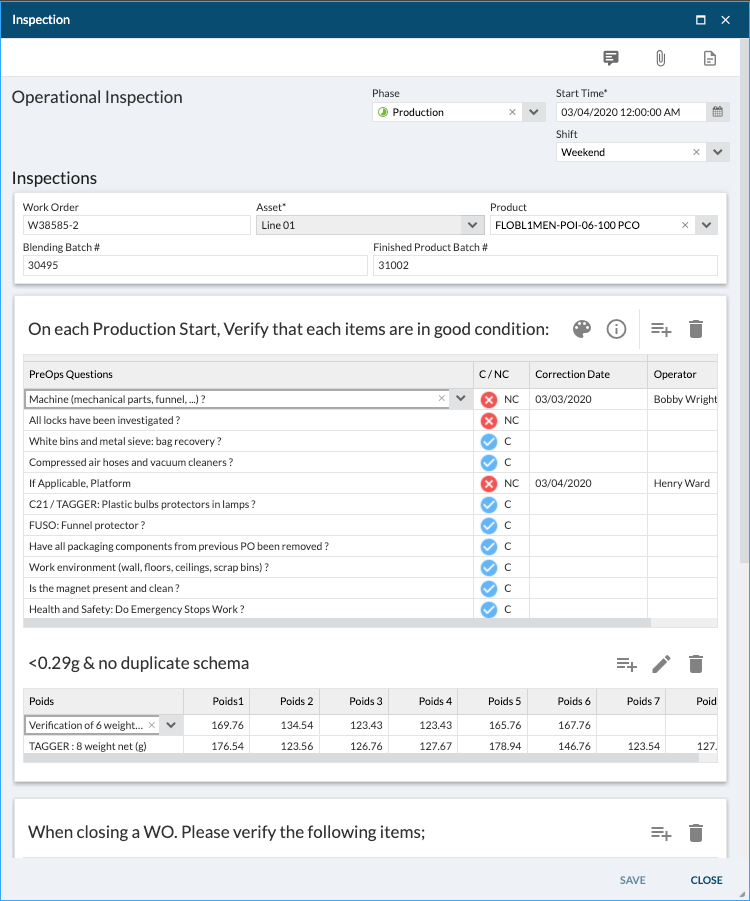
For example, Ekho OPM allows you to build online web event forms that can be easily customized to reflect your current paper forms. Fields can contain active drop-down lists to ensure data entered is relevant and in the right format. The image below shows a sample operational inspection form in Ekho.

Figure 1: Sample Operational Inspection form in Ekho.

2. Workflow Automation

Another benefit of switching from paper to electronic forms is electronic forms allow for automated notifications of workflow assignments to ensure faster, more efficient processing. You can’t do this with a paper form!

Real-time workflow integration streamlines the entire form document management process and embeds the business processes surrounding any production event. With secure, anytime, anywhere access, electronic forms ensure that information is getting to the right people — no matter where they are and how they connect. Ekho forms can be configured with your own business rules and workflows to trigger notifications, alarms, maintenance work orders, or other actions tied to events.

3. Cut Costs (and Save a Tree!)

Paper may be cheap, but the cost of using paper-based processes is not. Costs quickly escalate when you factor in storage, office space, filing cabinets, reproduction, and delivery costs. Even more expensive is the cost of employee time associated with processing the physical document and the impact on organizational productivity and responsiveness.

Those costs can be even higher when processing more complex forms commonly used on a plant floor. Ekho electronic forms dramatically reduce these costs by streamlining handling, automating processing and simplifying storage and accessibility of form data.

4. Integration with Other Business Platforms

Ekho electronic forms can be easily integrated with other business platforms. In the manufacturing space, this opens a whole realm of empowering possibilities. Form fields can be integrated with other business systems, like your ERP, HRMS, CMMS, QMS, LIMS or even accounting platforms from companies like Microsoft, Info, Sage, SAP and Epicor. Augment forms with embedded information from production orders, bill of materials, recipes, parts lists, employee information, and the like.

5. Traceability

Forms typically pass through many hands, each making changes to information collected. With paper forms, it’s hard to know who has seen the forms and who made what changes. Electronic forms, on the other hand, are trackable: you can see who has viewed the form and if any changes have been made to the data.

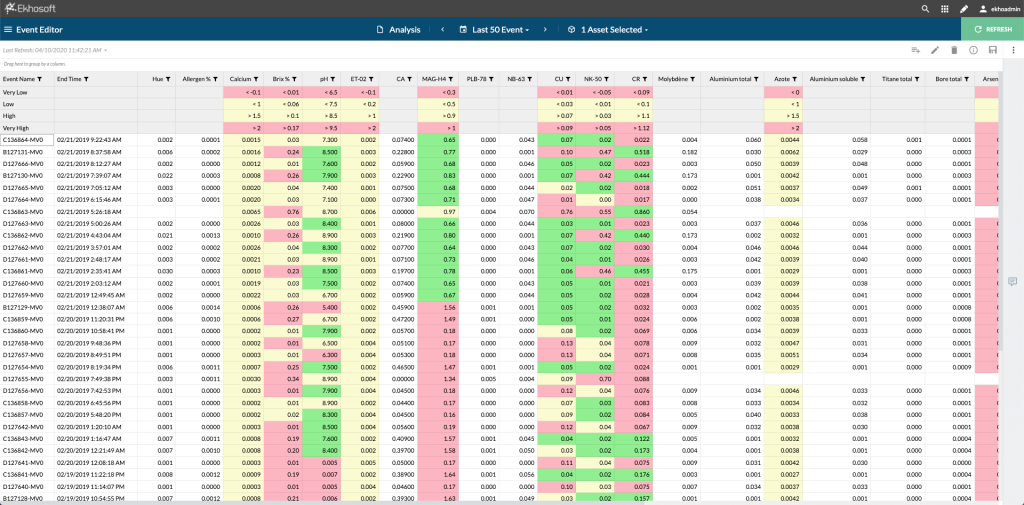
If the form is part of a process, you can quickly see where the form is in the process and report on its status. Try doing that with paper! The image below shows a lab analysis history with data range notification.

Figure 2. Lab analysis history with data range notification.

Summary

If the initial cost and effort of switching feels overwhelming, consider the true costs of document management and all the benefits that electronic forms offer. Electronic forms increase data and workflow visibility. They can be deployed rapidly — giving you instant access to data from anywhere — while reducing operational costs. Electronic forms also eliminate paper and paper-related expenses. Add up all the reasons to switch, and you’ll find that electronic forms quickly deliver ROI.

Ekho OPM is available now. For more information get the product sheet or book a demo.


Book a demo

Submit your inquiry below and we will get back to you as soon as possible

Book a demo